Locally rooted
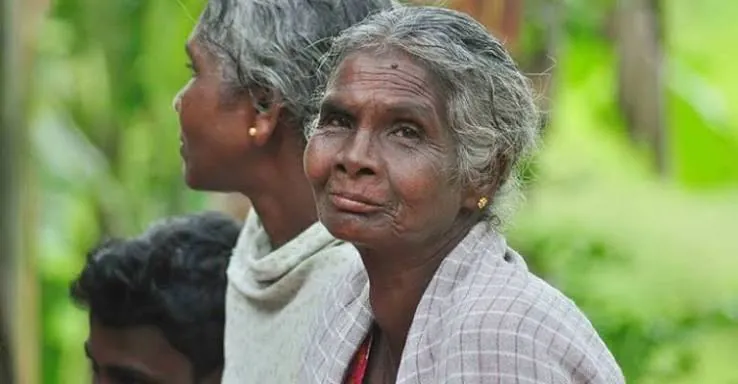
Very few researchers are based locally.
Who we are
 (1).webp)
.webp)
Why Wayanad
Wayanad is the district with the highest Adivasi population in Kerala, and one of its most geographically difficult — hilly, forested, and spread across four aspirational blocks under the Government of India's Aspirational Districts & Blocks Programme. Most public health research treats places like this as field sites to visit, gather data from, and leave.
Thrya was founded on a different premise: that durable change comes from researchers who live with the consequences of their own recommendations. Our founders combine backgrounds in public health research, clinical care and health systems implementation — and chose to base that work in Wayanad itself, alongside the communities it serves.
Thrya is established as a Wayanad-based public health research and action initiative.
Four initial programmes are scoped across mental health, diabetes, ageing and capacity building.
Collaboration begins with local institutions.
Why Thrya
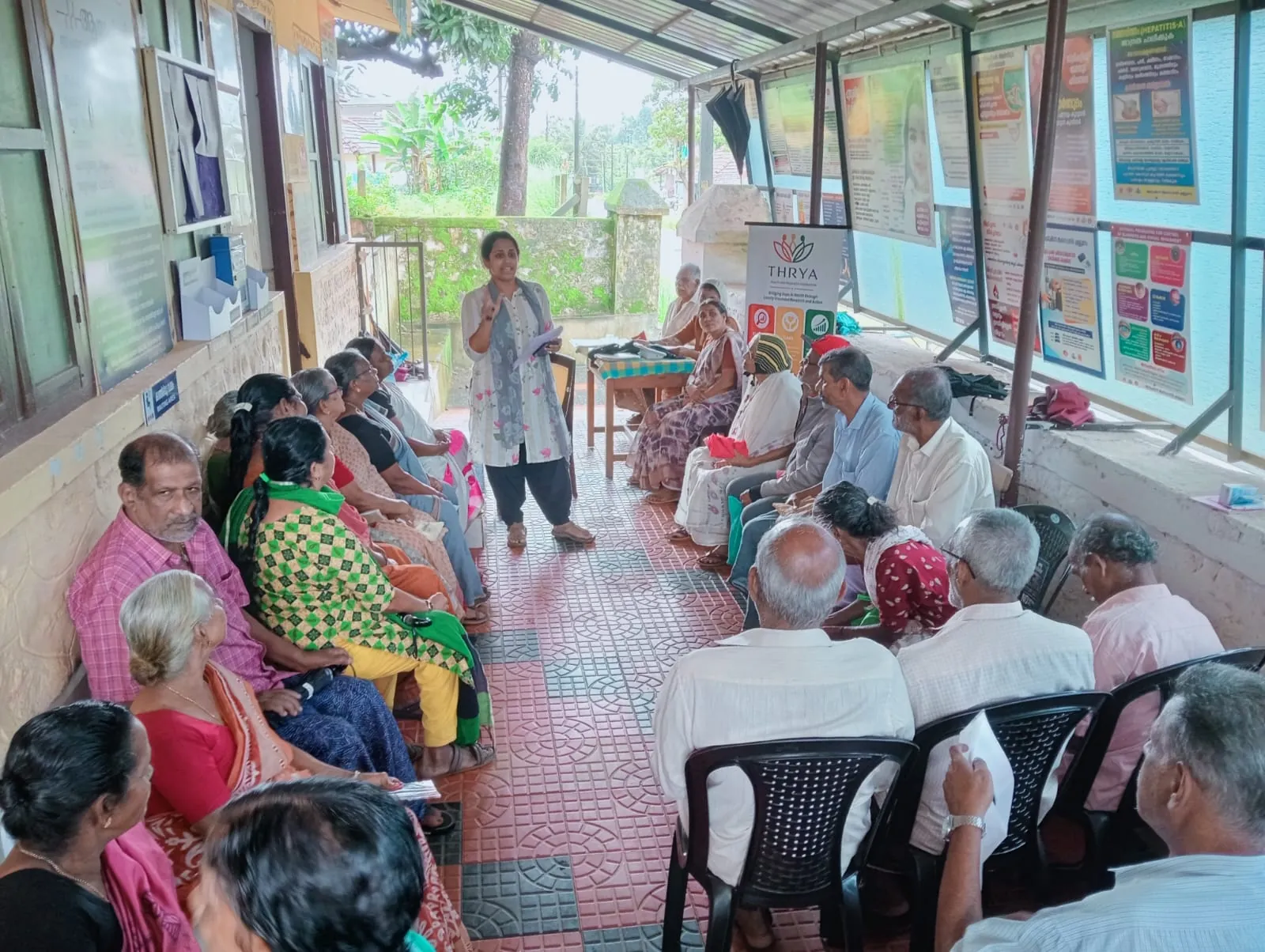
Very few researchers are based locally.
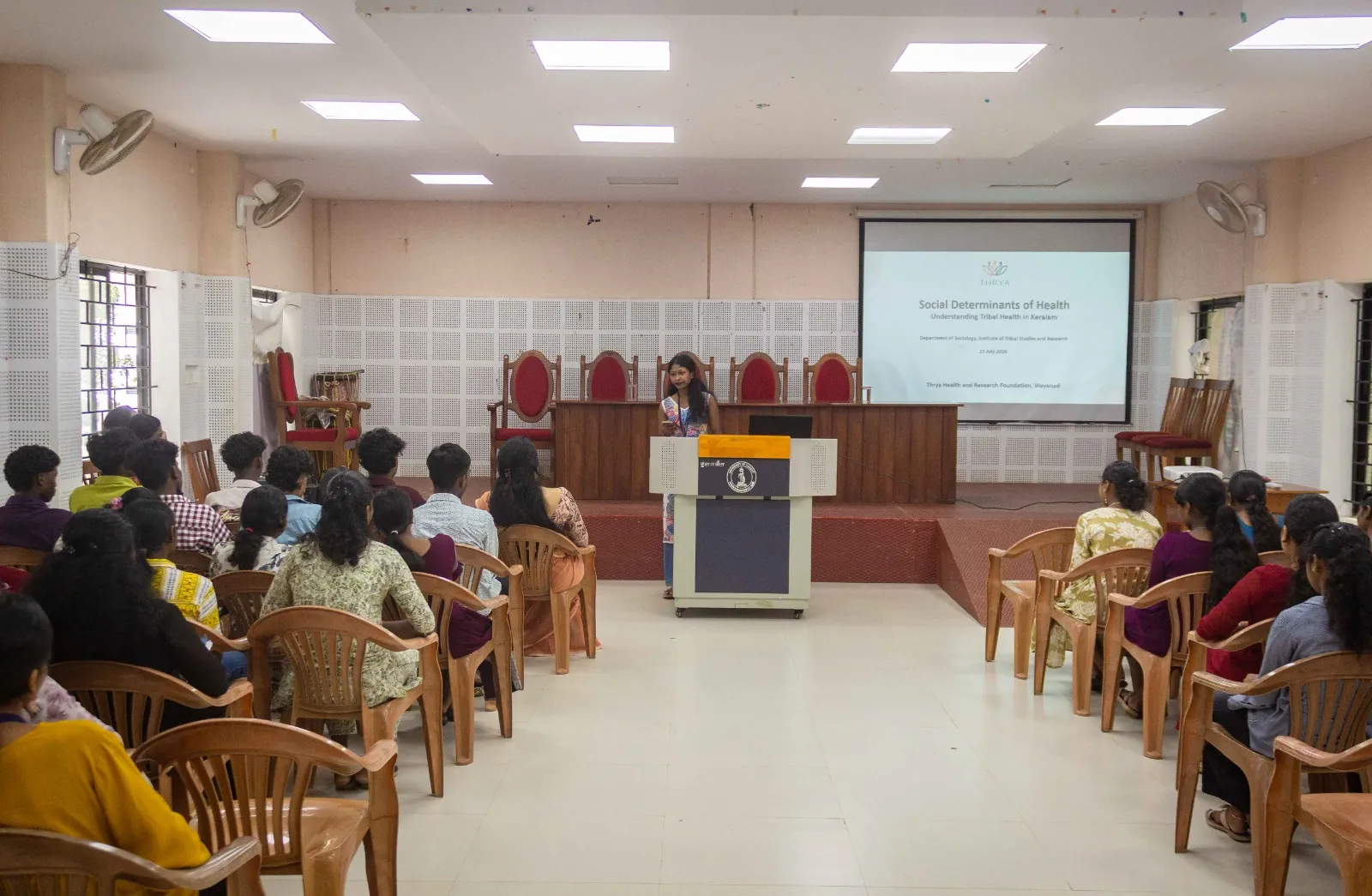
We don't just publish findings — every study is built to inform care.
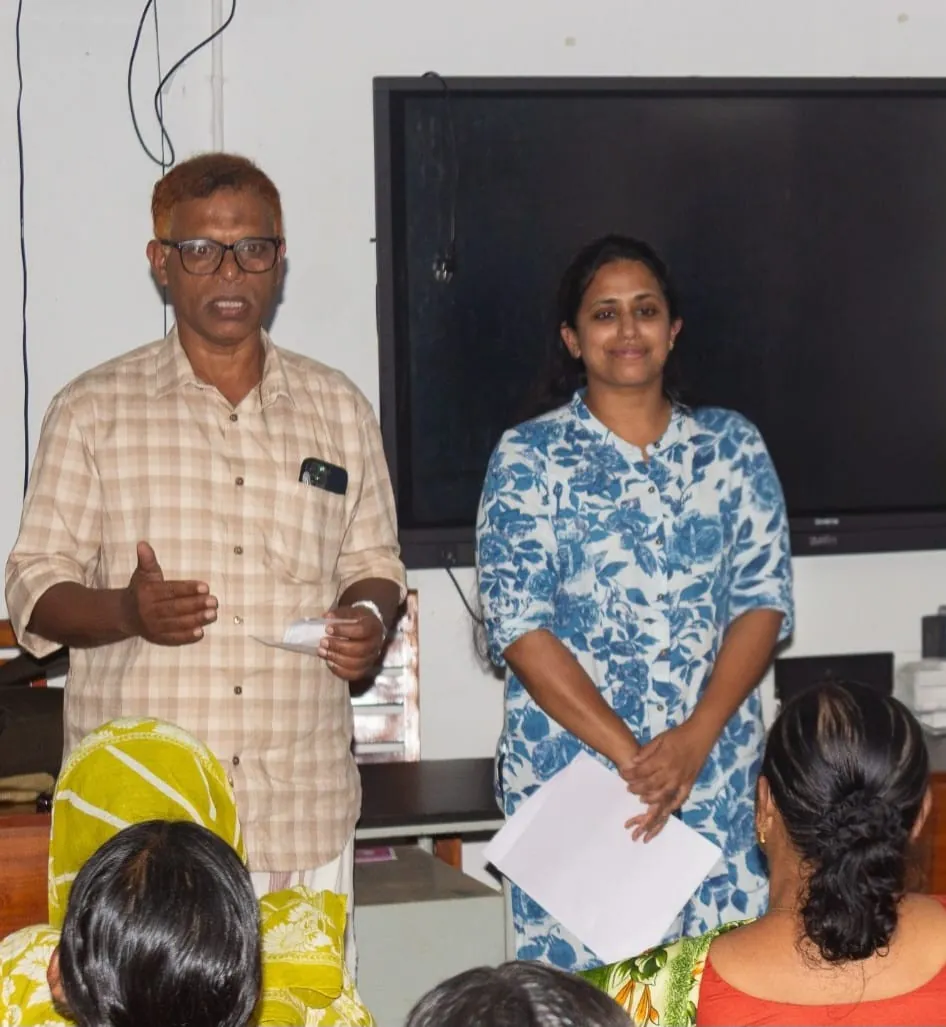
We work alongside government, NGO and academic partners.
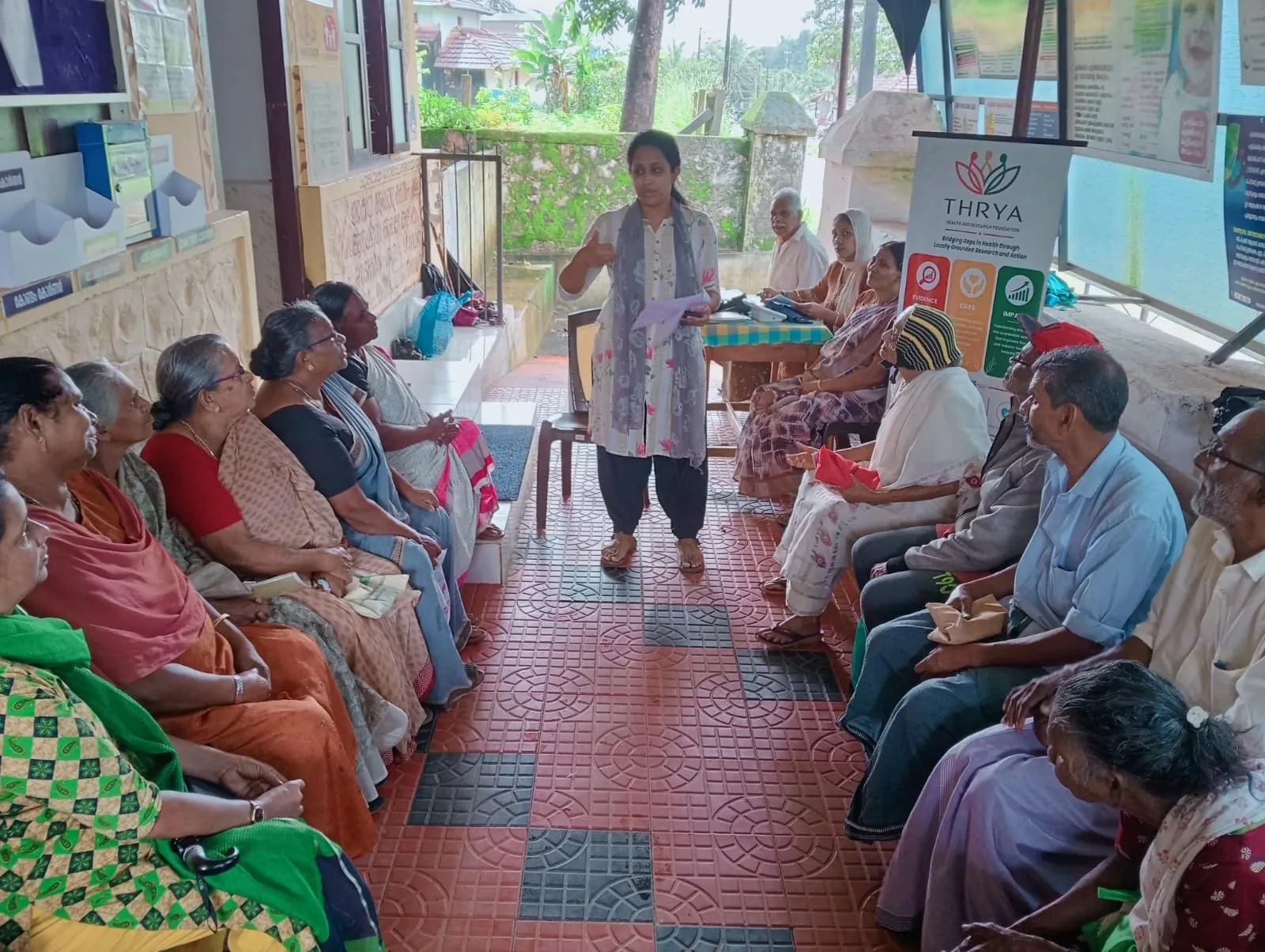
Our commitment to Wayanad is measured in years, not project cycles.
Our team
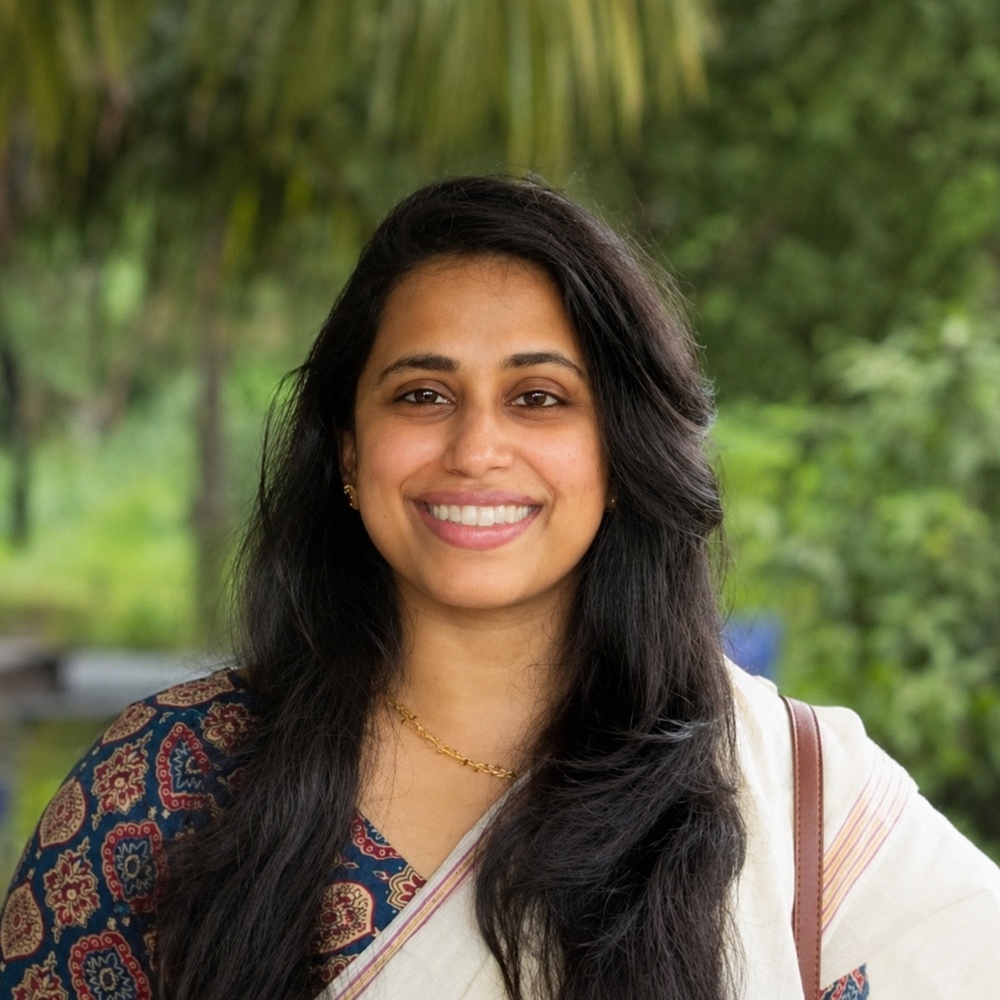
Dr Rose Antony began her career in the Bastar district of Chhattisgarh with Médecins Sans Frontières. It was here that she was first introduced to the Adivasi population, marking the beginning of her journey as an Indian rural medical practitioner.
Dr Rose holds a Master's in Public Health from the University of Birmingham, UK, and has completed a Fellowship in Diabetology from Christian Medical College, Vellore. She has worked across rural areas of Rajasthan, Tamil Nadu, the Nilgiris, Andhra Pradesh, and now Wayanad. Her understanding of India's rural health systems has been shaped by her experience working with diverse rural health centres across the country. In Rajasthan, while working with the Public Health Foundation of India, Dr Rose conducted a qualitative study that delved deeply into the implementation of the Safe Childbirth Checklist intervention. By exploring how the intervention was experienced and delivered on the ground, the study generated insights that informed its subsequent scale-up across several states in India.
Her experiences with ASHWINI in Gudalur and the Rishi Valley Rural Health Centre in Andhra Pradesh further deepened her understanding of what it means to deliver healthcare in low-resource settings. Working closely with rural communities and frontline health systems, she came to recognise that the challenge in rural India is not simply one of access. She saw that the more difficult and often overlooked gap lies in ensuring that the care available is consistently of high quality.
She is also a member of the National Expert Guideline Committee of the Department of Health Research, MoH&FW on Epilepsy, where she brings a unique primary-care perspective to the development of national guidelines.
In Wayanad, she worked as a medical doctor with the National Health Mission, Kerala, at a Primary Health Centre for two years while also running her own practice. This experience has given her grassroots understanding of the healthcare landscape in Wayanad and the realities of delivering healthcare in rural and underserved communities.
Dr Rose believes that one of India's greatest opportunities to reduce health disparities lies in making rural medicine an aspirational and respected career choice. Through her work in clinical care, public health, research, and community engagement, she advocates for strengthening rural health systems and creating innovative models of care that bring high-quality healthcare closer to the communities that need it the most.
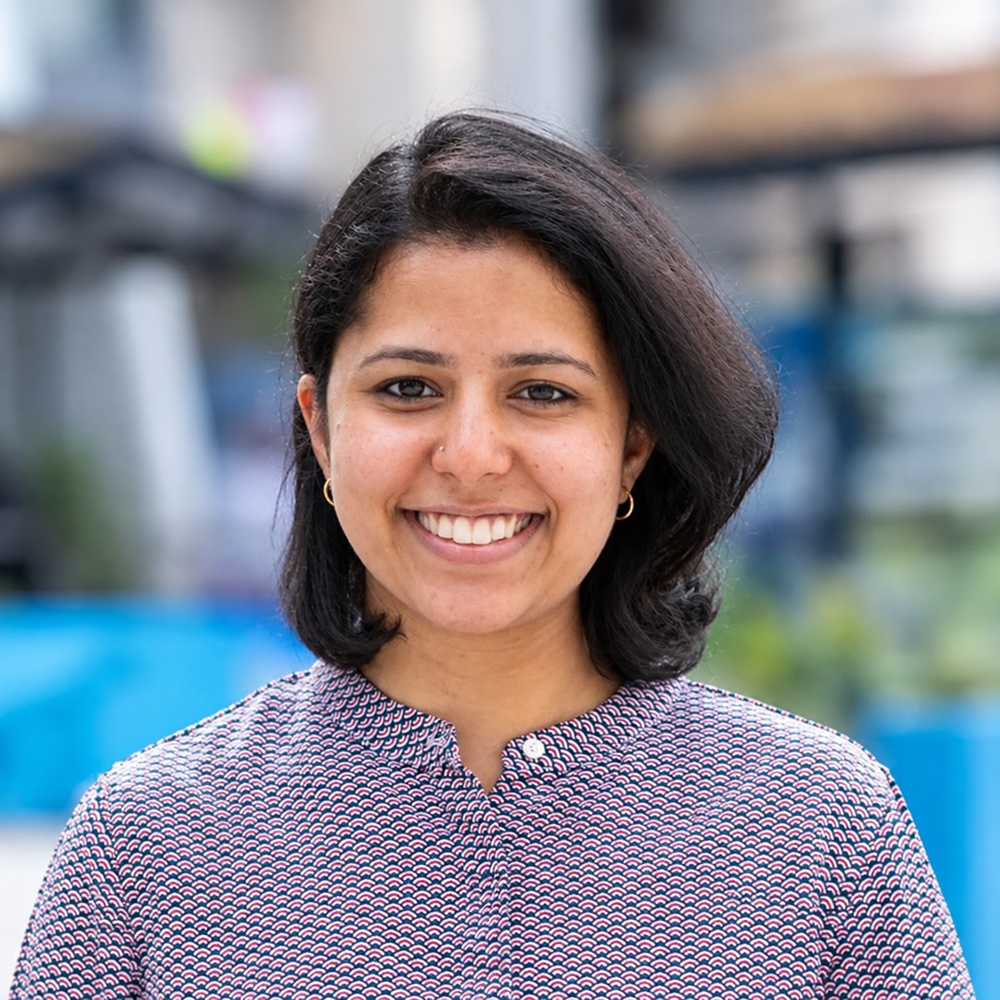
Dr Pallavi Muraleedharan is a global health and health systems researcher with over a decade of experience spanning research, project management, and implementation across health systems strengthening, clinical research, and international development. Having worked across NGOs, academia, and consulting in LMICs and high-income countries, her work focuses on generating policy-relevant evidence through collaborative and community-engaged approaches. She holds a PhD in Clinical Medicine Research (Brain Sciences) from Imperial College London, a Master's in Health Administration from the Tata Institute of Social Sciences, Mumbai, and a BSc in Nursing from the University of Calicut, Kerala.
Pallavi's journey into rural health began in Gudalur, where she worked closely with indigenous communities of the Nilgiris. Through her field research on indigenous health, she gained an early and deeply grounded understanding of the vulnerabilities faced by marginalised communities in rural India. This experience shaped the direction of her career and continues to influence her approach to health research and systems strengthening.
Over the past ten years, Pallavi has contributed to major global health research initiatives. At the Public Health Foundation of India, she worked on the Global Burden of Disease Study, while at the Centre for Perinatal Neuroscience at Imperial College London, she coordinated neonatal encephalopathy research across India and South Asia. Her work has spanned large-scale, multi-country research partnerships, where she has led capacity-building initiatives, research management, and stakeholder engagement across diverse settings.
She has presented her work at major international conferences and published in high-impact peer-reviewed journals. She is a recipient of the NIHR UK Global Health Research Short Placement Award for Research Collaboration (SPARC) and has served on the NIHR Global Health Research Training Steering Committee and the NIHR Global Health Research Academy Member Event Planning Committee, contributing to training and capacity-building initiatives across the NIHR Global Health Research portfolio.
At the heart of Pallavi's work is a passion for strengthening rural health systems and building local capacity. Her journey — from working alongside indigenous communities in Gudalur to contributing to international research programmes — has reinforced her belief that sustainable solutions to rural health challenges must be rooted in the communities themselves. Through her work, she hopes to develop innovative models of care that bring high-quality healthcare to the communities that need it most. She believes that co-created models, shaped with and by communities rather than simply designed for them, can empower marginalised populations and create health systems that are more responsive, equitable, and sustainable.
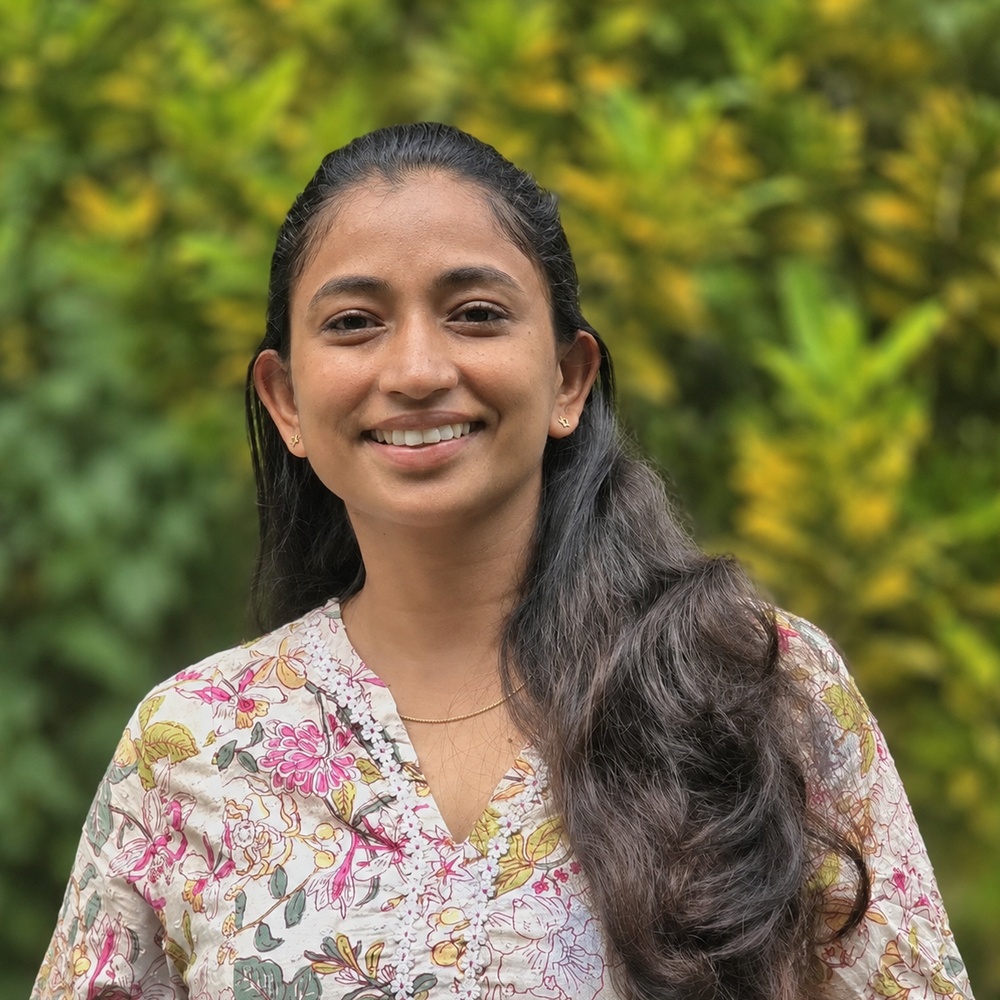
Dr Roshina Sunny is a public health researcher, programme implementation specialist, and health equity advocate. Growing up in Wayanad, she was exposed from an early age to the inequities faced by marginalised Adivasi communities. She observed how their voices often went unheard and how people were expected to simply submit to the circumstances they lived in. These early experiences shaped her perspective and led her to build a career focused on Adivasi health across different regions of the country, including Kerala, Karnataka, and Tamil Nadu.
After completing her Bachelor of Ayurvedic Medicine and Surgery (BAMS) from Kerala University of Health Sciences, she pursued a Master of Public Health (MPH) at JIPMER, Puducherry. She chose to undertake her internship at the Association for Health Welfare in the Nilgiris (ASHWINI) in Gudalur, where she had the opportunity to translate her public health training into action and work on the very issues she had grown up witnessing.
Following her MPH, Roshina continued her work with ASHWINI across multiple projects, where she was closely involved in programme implementation and developed a strong understanding of what it takes to translate ideas into functioning programmes on the ground. Her public health journey subsequently took her to some of the most rural and underserved parts of the country.
At the Centre for Health Research and Innovation (CHRI), she worked on tuberculosis prevention in Wayanad, gaining deeper insight into the government healthcare system and the realities of public health implementation in her home district. She also gained experience from a funder's perspective through her work with the Biocon Foundation in Bengaluru, where she was involved in projects aimed at delivering primary care to under-served populations in aspirational districts of Karnataka. Later, at the Yuvraj Singh Foundation, where she worked on breast cancer screening, she built valuable connections across Wayanad's private healthcare sector. Her diverse experiences across Wayanad gave her a unique understanding of the district's health ecosystem — its government systems, private healthcare networks, and community institutions — and the gaps that often exist between them.
Alongside her implementation work, Roshina has developed a strong foundation in research and biostatistics, and has authored and contributed to multiple peer-reviewed publications in areas including non-communicable diseases, mental health, and malnutrition.
Roshina's strength lies in programme implementation — recognising a gap, understanding why it exists, and translating that understanding into innovative, realistic, and practical solutions. Her worldview remains deeply grounded in her roots in Wayanad and in the experiences that first drew her towards public health. She hopes to bring greater attention to communities that can remain marginalised even within districts where a robust health system is already in place. Through research, evidence, and thoughtful implementation, she hopes to address the know–do gap that continues to exist across many public health settings — and, ultimately, help build health systems that not only reach communities, but listen to them and respond to their needs.
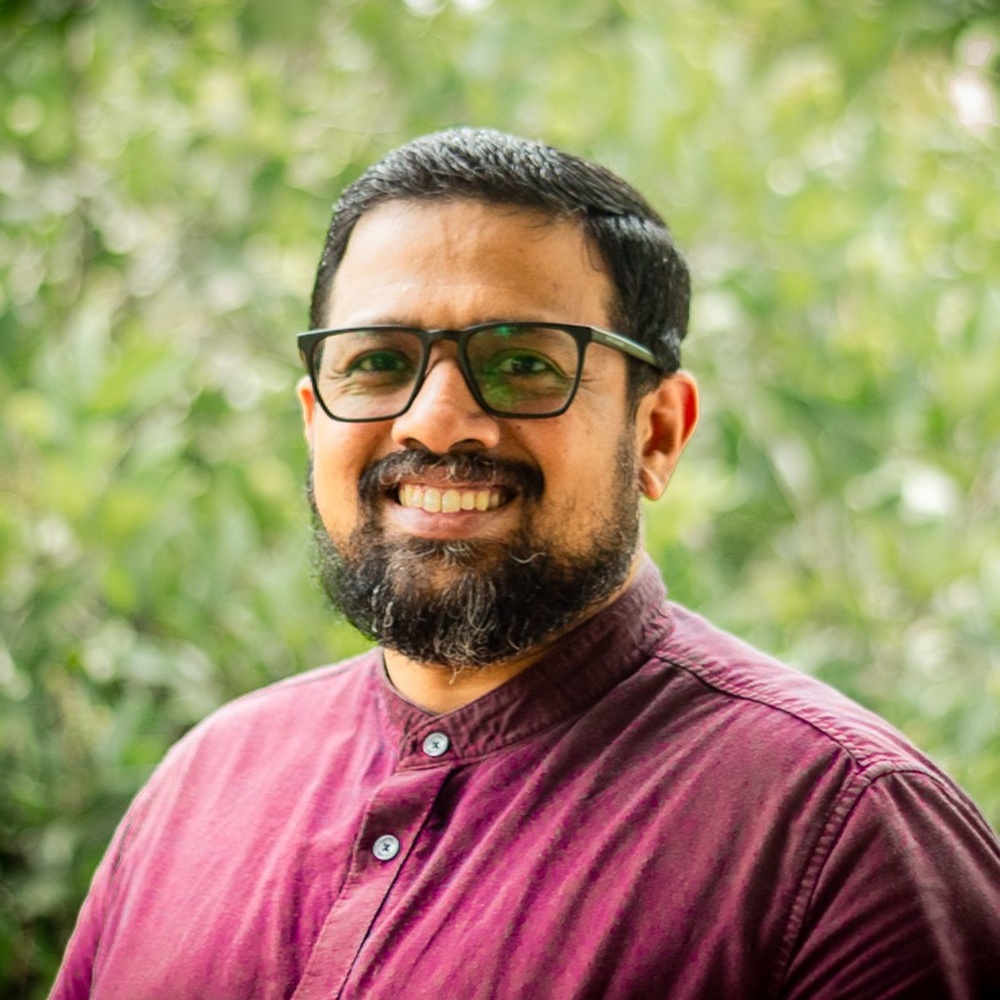
George Vadakkel holds a B.Tech in Automotive Engineering and brings over 14 years of experience working with leading European and Japanese automobile manufacturers. His professional journey has taken him through some of the most rural and underserved parts of the country, where he witnessed firsthand how access to healthcare — and the quality of that access — can vary significantly between communities.
These experiences shaped his interest in social impact and deepened his commitment to improving healthcare access for underserved populations. As a Patron of THRYA Health and Research Foundation, George contributes his strengths in strategic planning, operational management, and problem-solving to support initiatives that are practical, sustainable, and rooted in community needs. He is particularly passionate about supporting public health research and empowering underserved communities, including the Adivasi populations of Wayanad, through community-driven approaches to health and development.
Today, George runs a handcrafted furniture enterprise, bringing together the engineering precision developed through his automotive career with a deep appreciation for sustainable craftsmanship. Across both his professional and social pursuits, he remains committed to building systems and solutions that are thoughtful, sustainable, and capable of creating meaningful impact.
Our objectives
Our formally registered objectives are available on request for donor and CSR due-diligence review, and guide every programme we run.
Generate locally relevant, high-quality public health research for Wayanad and comparable settings.
Support and strengthen existing government and NGO health efforts rather than duplicate them.
Improve equitable access to health services for indigenous and remote communities.
Build sustained local capacity in public health practice and research.
Encourage active community engagement in shaping local health action.